
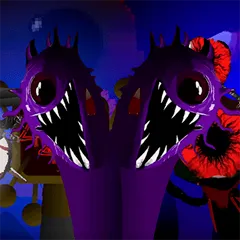
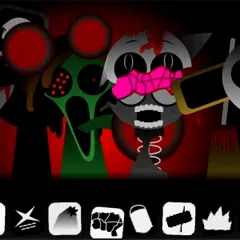

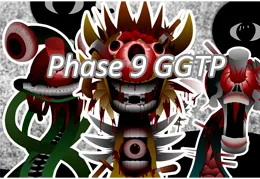
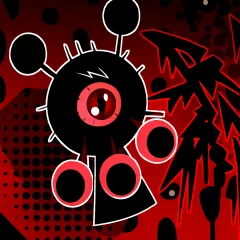
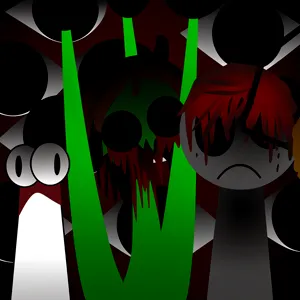


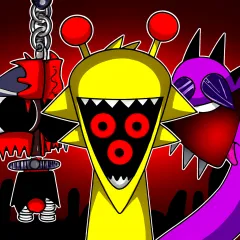
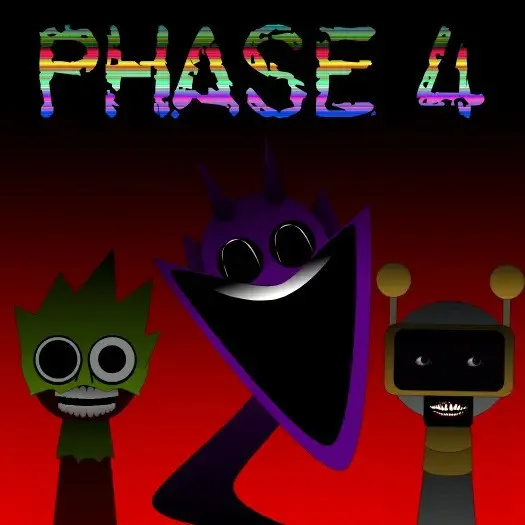
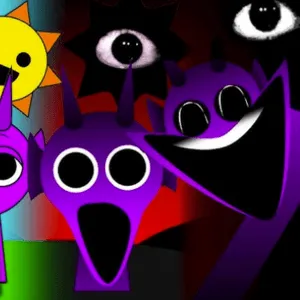
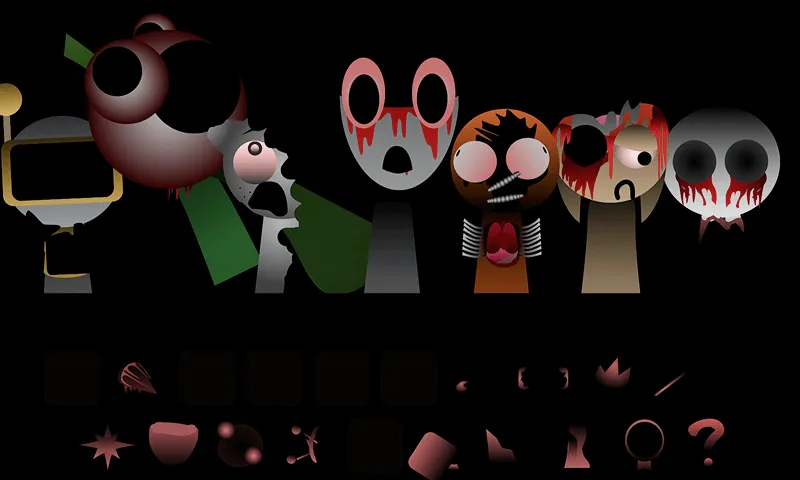
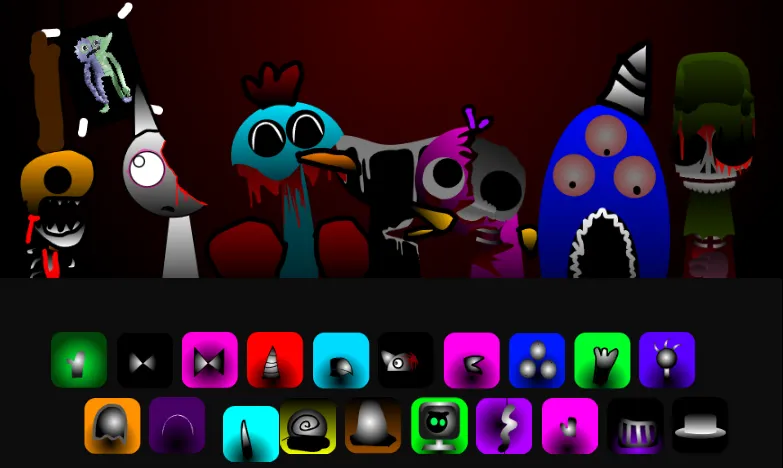
Calling Sprunki Phase 13 a glitch-inspired game is accurate but undersells how thoroughly that aesthetic runs through the design. It is not a coat of distortion applied over something that would otherwise look and sound conventional. The characters were built around digital degradation as a design principle. Their animations include breaks and stutters that look like corrupted playback rather than style choices made for effect. The sounds they produce carry artifacts that push against the cleaner layering logic of earlier phases. Building a composition in Sprunki Phase 13 means working with material that resists resolution.
The visual environment responds to what you place on the stage in ways that reinforce this. Glitches appear in the background as the mix develops. These are not random. They track what you are doing musically and amplify it visually, which means a dense, layered composition produces a different visual state than a sparse one. Players who pay attention to these responses can use them as a secondary feedback system while building, which gives Phase 13 a depth that is easy to overlook if you treat the visual layer as purely decorative.