
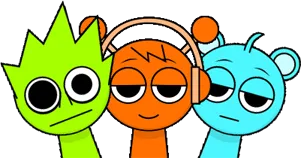
Sprunki 1996

Sprunki 1996

Sprunki 1996

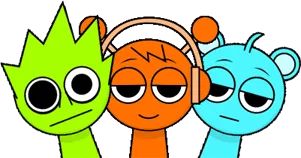
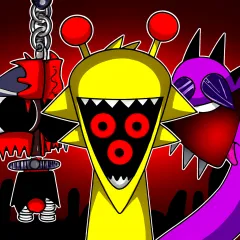
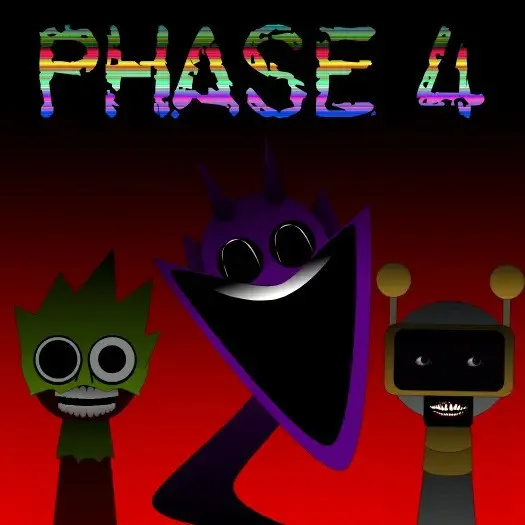
Sprunki 1996 is a music creation game with a clear hook: it looks and feels like a trip back to late 90s bedroom electronics. Pixel art, VHS style presentation, and deliberately rough, warm distortion sit on top of the same Sprunki idea you know from other Incredibox inspired entries. You place symbols or characters, each one adds a layer, and the mix grows in real time. It is built for people who like retro culture and electronic grooves, not for reading a manual about theory.

Unlike a straight rhythm game, Sprunki 1996 is about building your own loop. A large set of unique sound slots (often around twenty in community descriptions) gives you room to stack beats, warped bass, synth lines, and vocal chops with a 90s tint. Some builds add modes such as classic play, a looser story style run, or challenge style goals, so you can either chill and experiment or chase a few rules the game throws at you. Special pairings can unlock extra animation or hidden rhythms, which keeps short sessions from feeling the same every time.

The game is free in the browser. There is no install step and no account wall for a normal play session, and it is meant to work on phones and desktops as long as you allow audio for the site. If you already play other Sprunki remakes, think of this one as a love letter to the old look with cleaner mixing and effects than a raw fan file, but with the same “one more layer” compulsion when you find a sound that fits.

How to Play Sprunki 1996

1

Open Sprunki 1996 in the browser

Use the player on this page. First load may take a little while as samples and art come in. If the canvas looks empty, wait on a stable connection, then refresh once. Keep the tab active so the engine is not throttled in the background.

2

Learn the symbol or character map

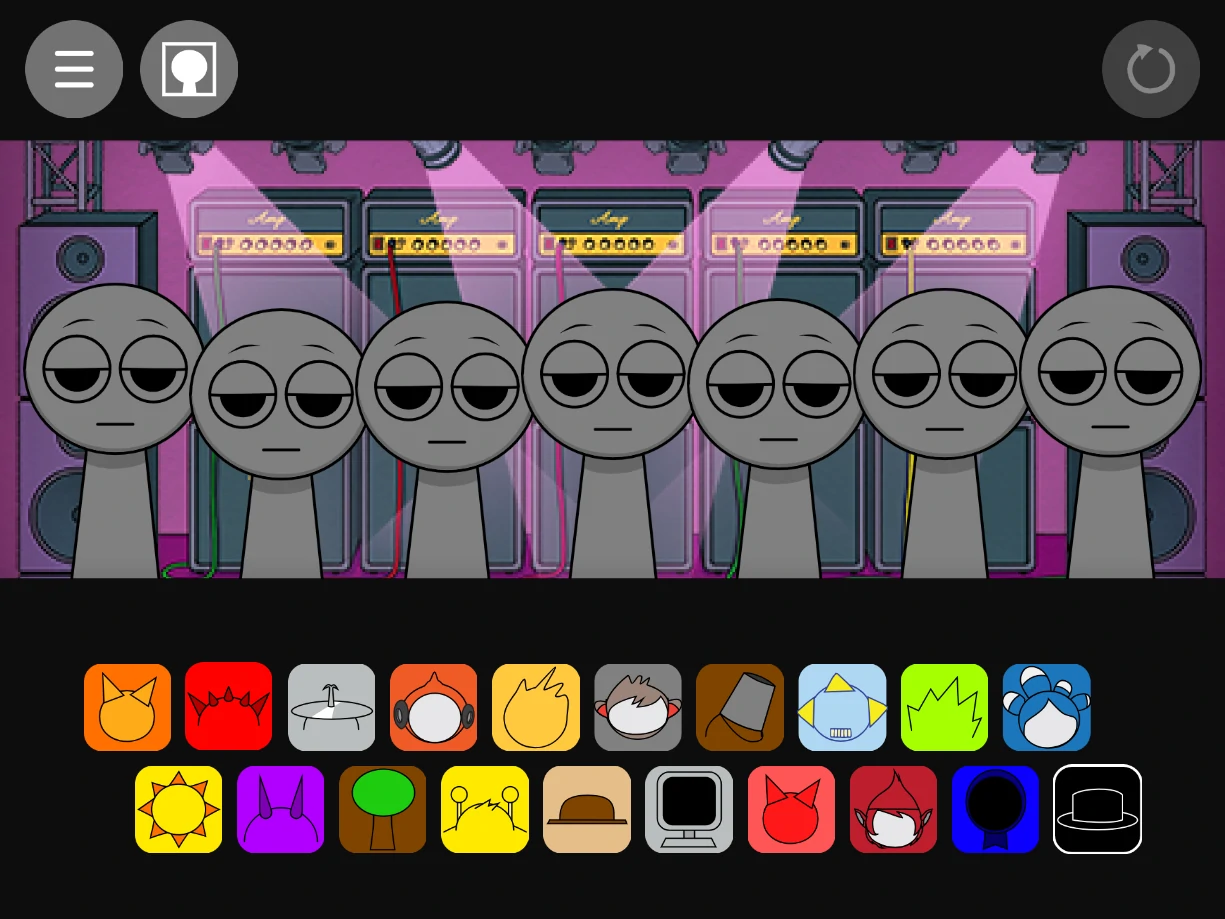
Browse the roster beside the stage. In Sprunki 1996 each pick maps to a distinct part of the track. Add one element at a time so you hear what the low end, mids, and ear candy are doing before you fill the bar.

3

Drag and build the loop

Drop choices onto the stage in the same drag and drop style as other Sprunki games. Start with a solid pulse, then add melody or texture. The interface is meant to stay obvious: you are arranging a small electronic set, not writing sheet music.

4

Try modes if the build offers them

When classic, story, or challenge options appear, use them to change the frame. Story style flow can nudge you through combinations; challenge style can give you a target to hit. You can still return to free play when you want a blank canvas.

5

Hunt for secret motion and hidden rhythms

Change one slot at a time when testing for unlocks. Watch the picture as well as the speakers: some pairings trigger short bonus animation or a tucked away rhythm that only shows up for certain crews.

6

Refine, mute, and share

Pull parts that fight the mix, or use mute and solo if the build exposes those controls, to hear one line clearly. Save or share from the in game tools when available; otherwise a quick screen capture is the usual way to show a loop to friends.

Why Sprunki 1996 leans on the 90s

The point of Sprunki 1996 is not to fake a release date, but to sell a mood. Pixel art, scan line or VHS style treatment, and crunchy electronic sounds work together so the page reads as a small time machine. The music side stays in the Sprunki family: short loops, clear roles, layers that are meant to lock. The difference is color and texture. Where a plain Sprunki skin might look glossy, this one leans into noise, mild distortion, and neon contrast so the bar feels like a late night tape session.

That look pairs with a wide combination space. Community notes mention hundreds of possible layer mixes across the symbol set. In practice you get the most mileage by keeping tempo steady and shifting harmony and ear candy, so the loop stays danceable even when the timbres are dirty.

Sound design, modes, and replay

Sprunki 1996 is often described as a remake or recreation that keeps the spirit of older Sprunki material while tightening visuals and mix quality. You still drag and drop, you still explore pairings, but the sonic identity is specific: wobbly bass, digital hats, and synth leads that sit in a 90s dance and electronica pocket rather than a clean pop sheen.

When the game surfaces different play modes, they are there to give your session a shape. Free mix time is still the default for most people. Modes that add light structure can help if you do not know where to start, or if you have already made ten plain loops and want a small goal. The real long term draw is the same as other strong Sprunki pages: the mix never has to be finished, only better than the last one.

Tips for a clean Sprunki 1996 session

Put rhythm down first, then harmony, then the weird stuff. If the track gets crowded, remove one part before you add a new one. When you are chasing a secret animation, swap a single symbol and listen for the smallest change in the meter or the top line so you know what the new piece did.

On mobile, headphones help you hear separation that phone speakers smear. If you know older Sprunki content, compare a few combinations you remember from the past: Sprunki 1996 is a good place to notice what was redrawn, remixed, or made louder in the stack. If you like this retro lane, browse other Sprunki titles on the same site for a different skin on the same loop building idea. The core habit here is the same: open Sprunki 1996, start a loop, and let the 90s palette do the rest.

Sprunki 1996 sits in the same browser first, no paywall corner of the Sprunki scene as the rest of the list on Sprunky Game. If you want a play Sprunki 1996 online free session with a strong retro frame, load the player, let the pack finish, and treat every run as a small electronic sketch you can share or keep private.

FAQs about Sprunki 1996

It is a Sprunki style music game that mixes Incredibox inspired drag and drop looping with 90s inspired art and sound. You place characters or symbols on a stage, layer parts in real time, and explore combinations in the browser without a separate install.
Yes. You can start from a normal web page without paying for the path described here. You also do not need a desktop program if you use the embed on this site.
A typical session does not need sign up. If a future build ever asks for login, that will be inside the game. The usual flow is open and play.
The layout is meant for both desktop and mobile browsers. Use a solid connection on first load, allow sound for the site, and consider headphones on small devices so you can hear each layer clearly.
The big difference is presentation and tone. Sprunki 1996 leans on pixel art, VHS style mood, and distorted 90s electronic timbres. The core loop is still drag, layer, and discover hidden moments, but the skin and the sound pack are built for retro fans.
Community copy often cites on the order of twenty distinct sound elements. Hosts can update files, so treat the exact number as flexible. The design goal is a focused roster you can learn by ear, not a huge grind list.
No. The game is built so casual players can drag parts and get a loop in minutes. Deeper users still get value from muting tracks, testing pairings, and fine tuning balance.
Sprunki is a large fan and mod space around the same kind of idea as Incredibox, but it is not the same as the main Incredibox app from the original studio. Treat this title as a community style release unless branding states otherwise.
Reload the page, keep the tab in the foreground, and close other heavy tabs. Check the browser tab mute control, phone silent switch, and system volume. On WiFi, move closer to the router or try a wired connection on PC.