



Sprunki Italian Brainrot

Sprunki Italian Brainrot

Sprunki Italian Brainrot

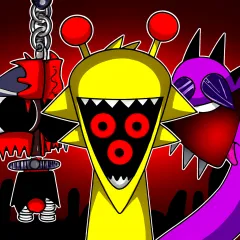
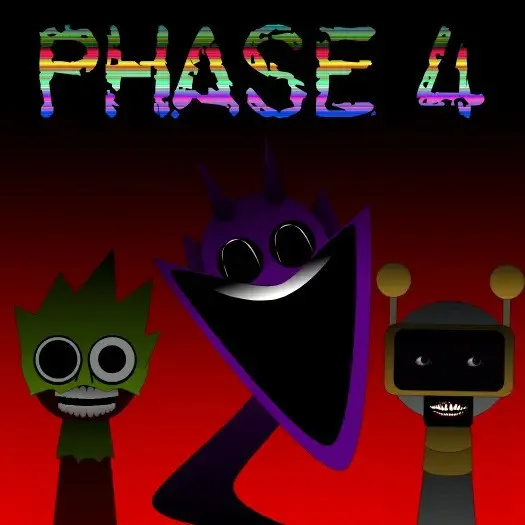
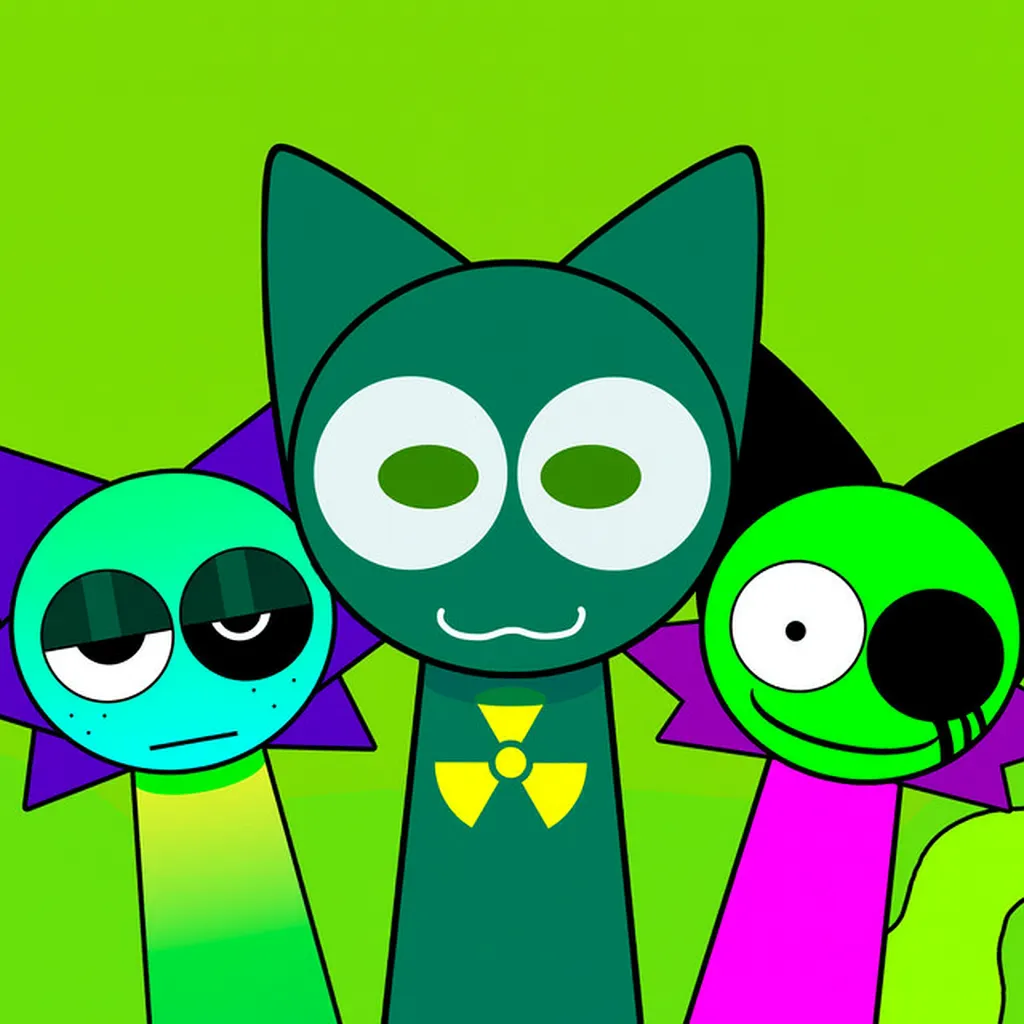
Sprunki Italian Brainrot is one of those games that is harder to describe than it is to enjoy. On the surface it is a rhythm-based music game built around Italian cultural themes, with characters designed around instruments like the mandolin, accordion, and tambourine, each contributing their own sound to whatever composition you are putting together. Underneath that is a mechanic the game calls brainrot, which deliberately scrambles the expected logic of how things fit together just enough to push you into working differently than you normally would. The result sits somewhere between a puzzle and a music mixer, and the chaos is very much the point.

The characters carry the personality of the game. Each one has a musical specialty tied to a specific strand of Italian musical heritage, from tarantella folk rhythms to the kind of catchy hooks that belong in a beachside pop song. Combining them produces something that reflects both the individual contributions and the way Italian musical traditions layer and contrast with each other. The game treats this layering as its primary source of creative tension rather than just a backdrop.

Sprunki Italian Brainrot runs entirely in the browser on desktop and mobile. There is no download and no account required. Sessions are self-contained, which means you can drop in for five minutes or spend considerably longer working through what the brainrot mechanic is actually doing to the compositions you build.

How to Play Sprunki Italian Brainrot

1

Let the game load before interacting

Sprunki Italian Brainrot loads character assets and audio samples on startup. This takes between thirty seconds and a minute on most connections. Keep the tab in the foreground and wait for the interface to become active. If the game does not appear after ninety seconds, refresh once and confirm that your browser has audio permissions for the page.

2

Get familiar with the character roster

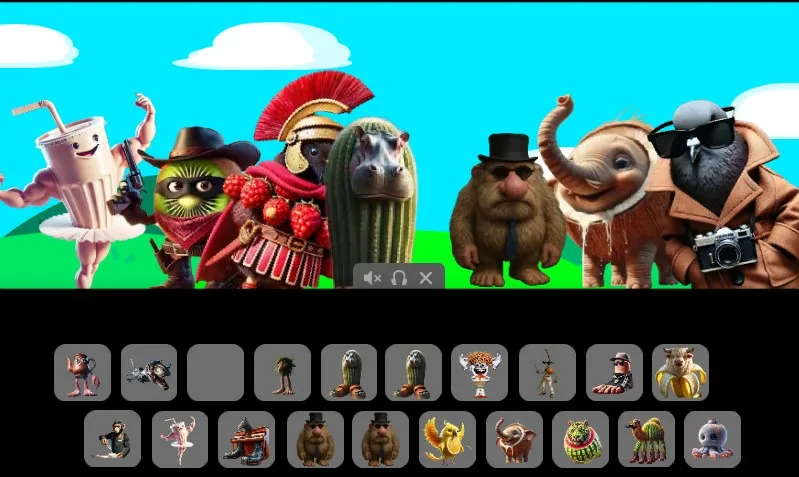
The characters in Sprunki Italian Brainrot each represent a different instrument or musical role. Some anchor the rhythm, some carry melody, and some add textural or atmospheric elements drawn from specific regional Italian traditions. Before placing anything, scan what is available and develop a rough sense of what each character brings to a mix. That context makes the brainrot mechanic easier to navigate.

3

Start placing characters and building your composition

Drag characters onto the stage to activate their sound contributions. Start with a rhythmic foundation, then layer melodic and tonal elements on top. The game responds to how characters are combined, not just which ones are present. Listen after each addition rather than filling the stage at once. The brainrot mechanic surfaces more clearly when you are tracking how each new element changes the overall feel.

4

Work with the Pasta Power combo system

Hitting beats with precision in Sprunki Italian Brainrot builds toward the Pasta Power combo mechanic. This rewards accurate timing with visually distinct passages that also score higher. Precision matters here not just for performance but for how it interacts with the brainrot logic underneath the surface. The more precisely you play, the more control you have over where the composition goes.

5

Earn and use Brainrot Points

As you progress through levels, you accumulate Brainrot Points that unlock powerups. These can rearrange elements, correct mistakes, or introduce unexpected variables into the composition. Using them strategically rather than reflexively tends to produce more interesting results. Think of them as tools for when the brainrot logic leads somewhere you did not intend.

6

Move through the genre-specific levels

Each level in Sprunki Italian Brainrot is built around a distinct strand of Italian music, from Neapolitan folk dance to contemporary Italian pop. The difficulty increases as you move through them, and the cultural framing shifts with each stage. Approaching each level with some awareness of what musical tradition it is drawing on helps you anticipate what the rhythm structure is likely to demand.

What the brainrot mechanic actually does

The brainrot mechanic in Sprunki Italian Brainrot is not a gimmick. It is a design choice that targets the part of rhythm and puzzle gameplay where pattern recognition starts to run on autopilot. By introducing a layer of deliberately scrambled logic, the game prevents you from settling into the kind of muscle memory that makes sessions feel mechanical. Every time you think you have figured out the system, it shifts slightly. The confusion is intentional, and the game is transparent about this in a way that makes it easier to lean into rather than fight against.

What this produces in practice is sessions that feel genuinely unpredictable. Two runs with the same characters in similar positions can produce noticeably different results depending on timing, the order of additions, and which powerups were used. Sprunki Italian Brainrot is replayable specifically because the brainrot logic makes it difficult to optimize into a solved experience. There is always another combination worth trying.

Italian music as actual content, not decoration

A lot of games use cultural themes as visual dressing without letting those themes affect how the game actually plays. Sprunki Italian Brainrot takes a different approach. The Italian musical traditions represented in the character roster genuinely influence the sound design and the rhythm structures you are working with. The mandolin and tambourine characters do not just look culturally distinct; they contribute sounds that carry the rhythmic and tonal weight of the traditions they reference.

The level design follows the same logic. Each stage is built around a specific genre, from the festive complexity of a tarantella to the more straightforward hook structures of Italian pop. The shift in genre between levels is not just cosmetic. It changes what timing patterns are rewarded, what character combinations work well, and how the brainrot mechanic interacts with the musical material. The cultural content is doing structural work throughout the game.

Getting more out of Sprunki Italian Brainrot

The instinct when the brainrot mechanic surfaces is to try to correct for it immediately. That instinct is usually wrong. The more productive approach is to follow where the scrambled logic leads and see what it produces before deciding whether to intervene with a powerup. Some of the most interesting compositions in Sprunki Italian Brainrot come from following the brainrot rather than overriding it.

On the puzzle side, the cultural riddles embedded in each level reward players who engage with the Italian context rather than treating it as background noise. The themes around cuisine, geography, art, and idiomatic expressions are not arbitrary. They are clues to the structures the level is built around. Paying attention to the framing of each stage tends to make the rhythm challenges feel more coherent and less like pattern-matching exercises disconnected from their setting.

Sprunki Italian Brainrot is a fan-made entry in the Sprunki series, developed independently by community creators. It draws on the rhythm game format of Incredibox and the broader Sprunki universe while taking the experience in a direction shaped by Italian musical culture and deliberate compositional chaos. To play Sprunki Italian Brainrot online free here on Sprunky Game, no download or account is needed.

FAQs about Sprunki Italian Brainrot

Sprunki Italian Brainrot is a fan-made rhythm game in the Sprunki series. It combines music creation with puzzle elements, using Italian-themed characters tied to specific instruments and musical traditions. The defining feature is the brainrot mechanic, which deliberately introduces scrambled logic to prevent sessions from feeling routine and push players into more creative approaches.
Yes. The full game runs in your browser at no cost. No download, no account, no payment. Load the page, let the assets finish, and start playing.
The brainrot mechanic deliberately scrambles some of the logic governing how characters and timing interact in the composition. This prevents the game from settling into predictable patterns and keeps sessions feeling genuinely unpredictable. It is a design choice rather than a bug, and the game is transparent about it.
Pasta Power is a combo system that rewards precise timing with high-scoring, visually distinct passages. Hitting beats accurately builds toward Pasta Power sequences that affect both the score and how the composition develops. It works alongside the brainrot mechanic rather than overriding it.
The game draws on Italian musical traditions across its levels and characters. Instruments like the mandolin, accordion, and tambourine appear alongside more contemporary elements. Levels are built around specific genres including Neapolitan folk, tarantella, and Italian pop. The cultural content genuinely shapes the rhythm structures rather than serving as visual decoration.
Brainrot Points are earned as you play through levels. They unlock powerups that can rearrange characters, correct mistakes, or introduce new variables into the composition. Using them strategically tends to produce better results than spending them reactively.
Yes. The game works on mobile browsers with touch input. Audio permissions need to be active for the site. Using headphones improves the experience because the game uses a wider audio range than built-in phone speakers typically reproduce well.
No. The Italian cultural themes add context and flavor but the gameplay does not require Italian language knowledge. The cultural riddles and level framing are accessible to players unfamiliar with Italian, though engaging with them adds another layer to the experience.
No. It is a fan-made entry developed independently by community creators. It is inspired by Incredibox and the Sprunki series but is not affiliated with or endorsed by any official development team.
Keep the tab active during the initial load, which can take up to ninety seconds. Confirm your browser has audio permissions for the site and that system volume is not muted. Closing other heavy tabs can help. On mobile, disable silent mode. A single page refresh resolves most loading issues.