

Sprunki Phase 12

Sprunki Phase 12

Sprunki Phase 12

Sprunki Phase 12 gives you twenty characters and seven slots, and the gap between those two numbers is where all the interesting decisions live. Each character carries a distinct sound loop, from percussive anchors to vocal layers to effects that sit at the edges of the mix. Filling slots is straightforward. Understanding what each combination actually produces, and why certain arrangements feel genuinely unsettling, takes longer. That tension between accessibility and depth is what makes Sprunki Phase 12 worth spending time with.

The phase operates with a mechanic most players figure out gradually rather than all at once. Early combinations produce music that feels energetic and playful, consistent with what earlier phases in the series established. As you push further and test less obvious arrangements, the character animations shift, the soundscape thickens, and something in the aesthetic starts to pull in a different direction. The twentieth character is the turning point. Place it, and the visual and audio design you have been building against changes entirely. What you built does not disappear; it gets recontextualized into something darker.

Sprunki Phase 12 runs in the browser without an account or any download. The interface is drag and drop, and it works on both desktop and mobile. Loading takes a moment on first visit while the character assets arrive, but once it is running the session is uninterrupted.

How to Play Sprunki Phase 12

1

Let Sprunki Phase 12 load fully before touching anything

Sprunki Phase 12 loads character animations and audio samples on startup. This usually takes between thirty seconds and a minute depending on your connection. Keep the tab in the foreground and wait for the interface to become interactive. If nothing appears after ninety seconds, refresh and check that your browser is not blocking audio for the page.

2

Survey the full cast before building

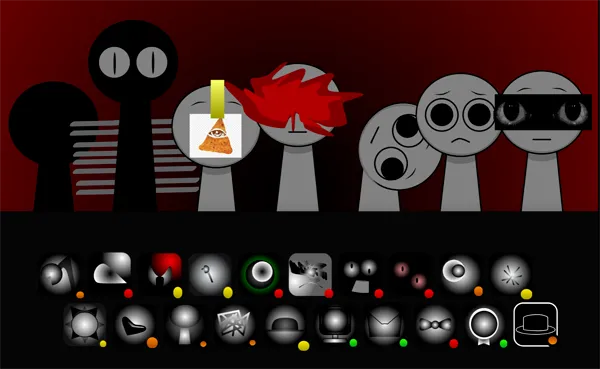
Twenty characters are available and each one produces a different sound. Before dragging anything, scan the roster and listen to individual characters if the build allows preview. Notice which ones feel rhythmic, which carry melody, and which add textural or atmospheric weight. That mental map makes the actual building process faster and less random.

3

Fill slots one at a time and listen between additions

Drag a character into one of the seven available slots to activate its loop. Start with something that gives the mix a rhythmic foundation, then add tonal elements, and leave the more atmospheric characters for later layers. Listen after each addition. The way sounds interact at low character counts is often more interesting than what happens when all slots are full.

4

Test combinations methodically to find hidden reactions

Certain arrangements in Sprunki Phase 12 produce reactions that go beyond the standard loop. Animations change. The stage responds in ways that feel tied to what you placed rather than random. Swap one character at a time when you are hunting for these moments so you can identify exactly which change triggered the effect.

5

Place the twentieth character when you are ready

The final character in the roster carries a different kind of weight. Once it occupies a slot, the visual presentation of the game shifts and the audio follows. The characters you placed earlier are still active, but the context they exist in changes. This is not a game over; it is a second mode that runs underneath the first.

What happens when the twentieth character enters

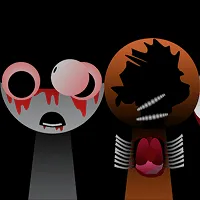
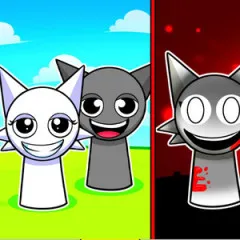
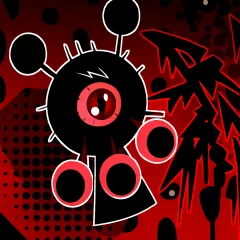
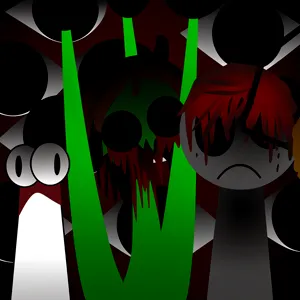
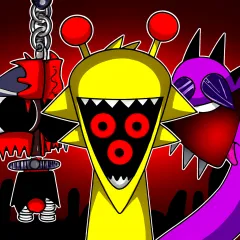
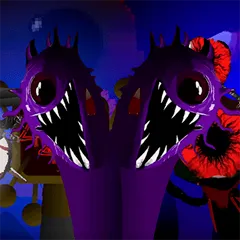
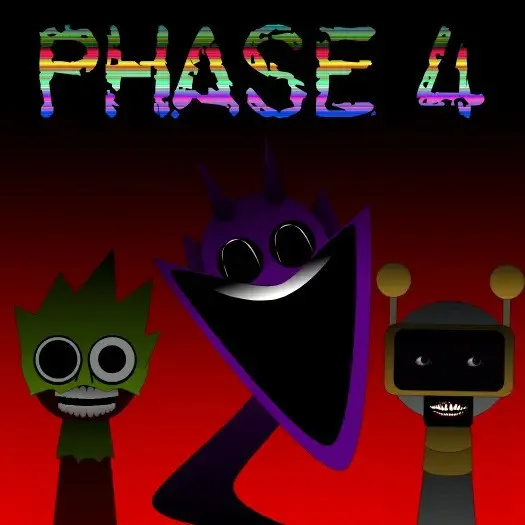
Most of Sprunki Phase 12 operates within a register that feels chaotic but manageable. The characters are visually distinct and their sounds, while layered and dense at high counts, follow patterns you can track. The twentieth character breaks that pattern. Its placement does not add to the existing composition so much as it reframes everything already there. The other characters do not stop; they continue their loops, but their animations shift into versions of themselves that look like the original designs filtered through something wrong. The colors that were bright become muted or inverted. The movements that felt energetic start to read as agitated.

The audio follows the same logic. The loops you built do not cut off or restart. They persist but take on a different quality, as if the same sounds are being heard from a different distance or through a different material. This is not a jump scare or a sudden horror reveal. It is a gradual recalibration of what Sprunki Phase 12 feels like, and it happens while your composition is still running. The effect is that you have created something and then watched it become something else.
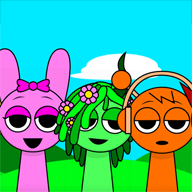
The sound design across both states

Sprunki Phase 12 gives its audio work more range than earlier entries in the series. The loops in the standard roster cover percussion, melody, harmony, and effects, and they are built to layer cleanly so that even dense combinations stay readable. The separation between elements means you can hear what each character is contributing even when six or seven are active simultaneously. That clarity is what makes the shift after the twentieth character so noticeable. The same loops that were distinct and legible start to bleed into each other, and the effects that were atmospheric become more central.

The horror aesthetic in Phase 12 is expressed through audio as much as visuals. Distorted vocals appear in certain combinations that do not show up in cleaner arrangements. Low-frequency elements that sit below the main mix become audible when the composition reaches specific thresholds. These are not random. They are placed to reward players who build in particular ways, which gives experimentation a direction beyond just trying every possible combination.

Building toward the best results in Sprunki Phase 12

The most interesting compositions in Sprunki Phase 12 tend to come from players who resist filling all seven slots at once. Two or three characters at a time reveals how individual sounds relate to each other in ways that get buried when the stage is full. Once you have a foundation that feels stable, adding one character and listening before committing to the next gives you more control over where the mix goes. This approach also makes it easier to identify which specific characters are responsible for hidden reactions, because you have not changed too many variables at once.

The transition to the darker state works best when the composition going into it is already developed. A sparse mix with the twentieth character produces a different result than a dense, layered one. Both are worth exploring, but the denser version tends to amplify the dissonance more effectively because there is more material for the shift to work against. On mobile, headphones matter for this phase because a significant portion of the sound design lives in frequency ranges that phone speakers do not reproduce accurately.

Sprunki Phase 12 is a fan-made entry in the Sprunki series, developed independently by community creators and inspired by Incredibox. The description above reflects the version hosted here on Sprunky Game. To play Sprunki Phase 12 online free with no downloads or accounts required, just load the page and start building.

FAQs about Sprunki Phase 12

Sprunki Phase 12 is a fan-made music creation game in the Sprunki series. It gives you twenty characters and seven slots to build looping compositions. The phase is notable for a transformation mechanic tied to the twentieth character, which shifts the visual and audio aesthetic of the entire game into a darker register once placed.
Yes. The full experience runs in your browser at no cost. No account, no download, no payment. Load the page, wait for the assets to finish, and start creating.
Placing the twentieth character into a slot triggers a transformation across the entire game. The other characters shift into darker versions of their original designs, and the audio takes on a more distorted, unsettling quality. Your composition continues running through this transition rather than stopping, which means the effect builds on whatever you have already created.
Sprunki Phase 12 has twenty characters representing different sound loops and seven slots for building your composition. The gap between those numbers means you are always making choices about which sounds to include and which to leave out, which drives most of the interesting decisions in Sprunki Phase 12.
Yes. In Sprunki Phase 12, certain character arrangements trigger animations and audio moments that fall outside the standard loop behavior. These require specific combinations to activate, not just random placement. Swapping one character at a time when testing makes it easier to identify which change produced the effect.
Yes. The drag-and-drop interface works with touch input on mobile browsers. Audio permissions need to be granted for the site. Using headphones is recommended because Phase 12 uses frequency ranges that built-in phone speakers often do not reproduce accurately.
No. Sprunki Phase 12 is fully playable as a standalone experience. Players familiar with earlier phases will recognize the core mechanics and may notice specific design choices that reference earlier entries, but none of that context is required to enjoy what Phase 12 offers on its own.
No. Sprunki is a fan-made series created by community developers. It draws on the mechanics and spirit of Incredibox but is built and hosted independently. Phase 12 and all other Sprunki phases are community projects, not official releases.
Keep the tab active and wait up to ninety seconds for the initial load to complete. Confirm your browser has audio permissions for the site and that system volume is not muted. Closing other resource-heavy tabs can help. On mobile, disable silent mode. If the problem continues, a single page refresh usually resolves it.
If the build includes a save or share function, use it before you modify the composition. Otherwise, a screen recording is the standard way to capture and share your work. The Sprunki community actively discusses Phase 12 on several platforms and regularly shares combination discoveries.