



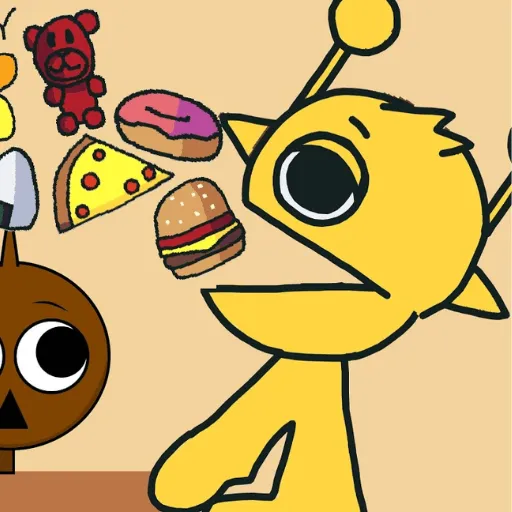

Sprunki Mustard

Sprunki Mustard

Sprunki Mustard

Sprunki Mustard is a fan-made spin on the familiar Sprunki music-toy formula: animated characters on a stage, each one carrying a beat, a hook, or an effect. You treat the screen like a tiny studio—stack parts, tweak the groove, and see the scene react as your loop takes shape.

This “mustard” edition leans into a warm, yellow-forward art direction and sound palette. It keeps the same simple idea that made the wider Sprunki line easy to pick up: no sheet music, no gatekeeping—just drag, drop, and listen. When a combination works, you get a fuller rhythm; when it does not, reset a slot and try another color in the mix.

Whether you only have a few minutes or you like to chase a perfect loop, the game is built for quick sessions in the browser. Use the player on this page to start, then read the sections below for a clear walkthrough, control notes, and answers to common questions.

How to Play Sprunki Mustard

1

Open the player and let the stage load

Start the embedded experience from this page. Wait until characters and the interface are visible so every sound slot can respond when you add a part.

2

Pick a character group to explore

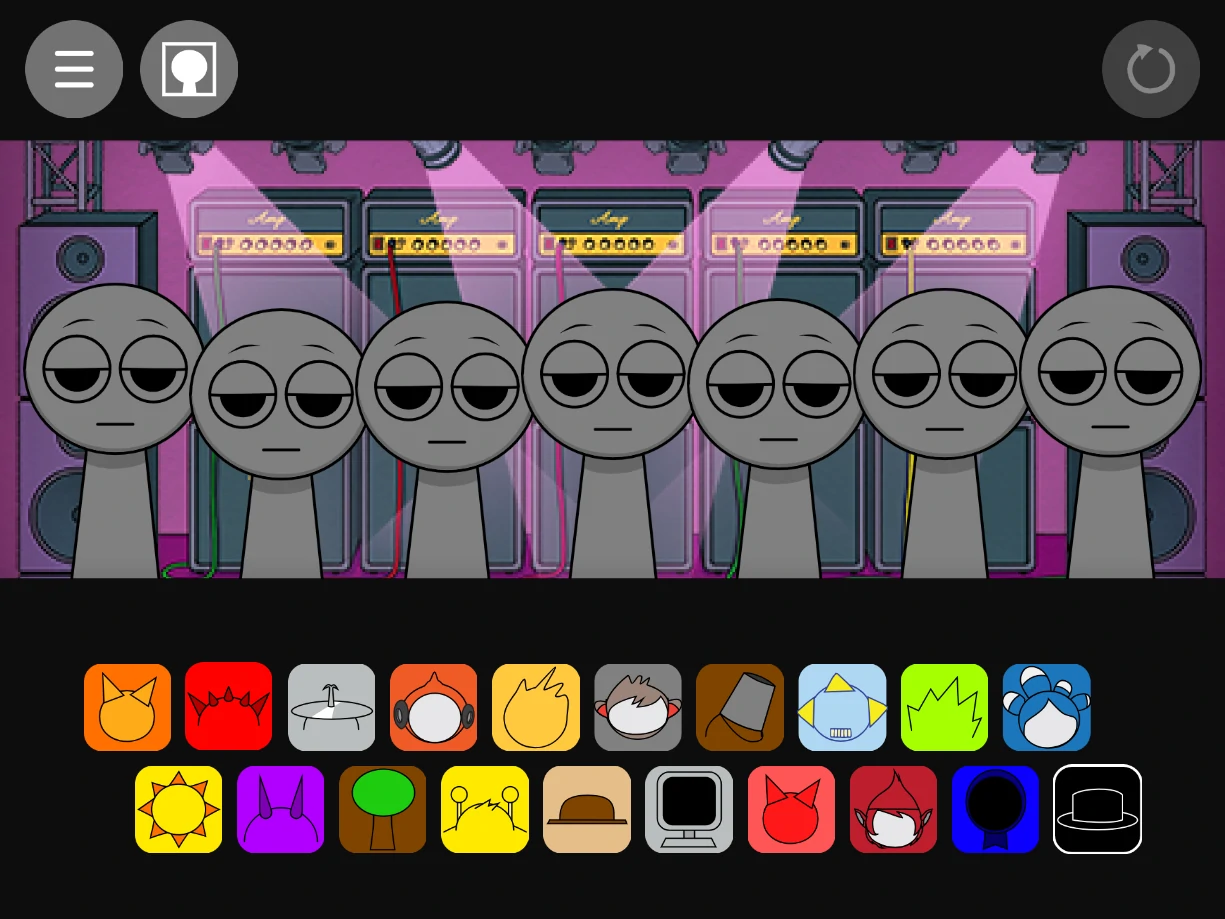
Browse the cast and think in layers: low-end pulse, mid melody, hats, and ear-candy effects. Each figure is a shortcut to a different role in the mix.

3

Drag icons onto the performance area

Use the mouse to pull a character into the active arrangement. Add slowly—one new layer at a time—so you can hear how it changes the groove before you commit to more.

4

Balance, mute, and swap until the loop feels right

If the game allows it, remove or replace a part that fights the rest. Tiny moves often matter more than piling every sound on at once.

5

Save or share if the build offers it

Some releases let you hold onto a favorite loop or pass it to a friend. If sharing is not available, you can still screen-record a short clip for feedback or your own archive.

What you are actually building in Sprunki Mustard

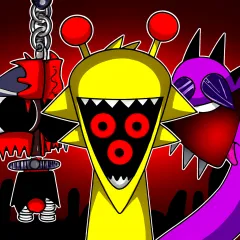
Sprunki Mustard is not a score-chasing arcade title. The “win state” is creative: you are aiming for a loop that sounds intentional—tight drums, a memorable lead, and space for the ear to rest. The mustard theme is mostly style: brighter costumes, punchy contrast, and a sonic identity that feels a little more playful than a plain gray interface would allow.

Because every character is tied to a specific audio role, you can treat the roster like a compact sample pack. Start with the foundation (kick and snare patterns, or a steady pulse), add a mid layer for motion, then reserve the top end for accents. If something feels crowded, remove the last thing you added; the simplest fix is usually the right one.

Characters, roles, and how to think in layers

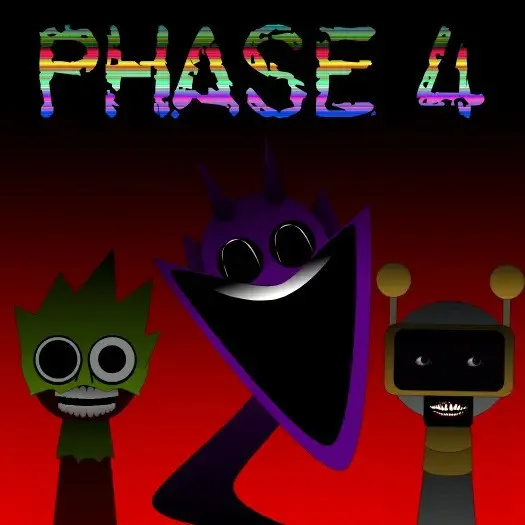
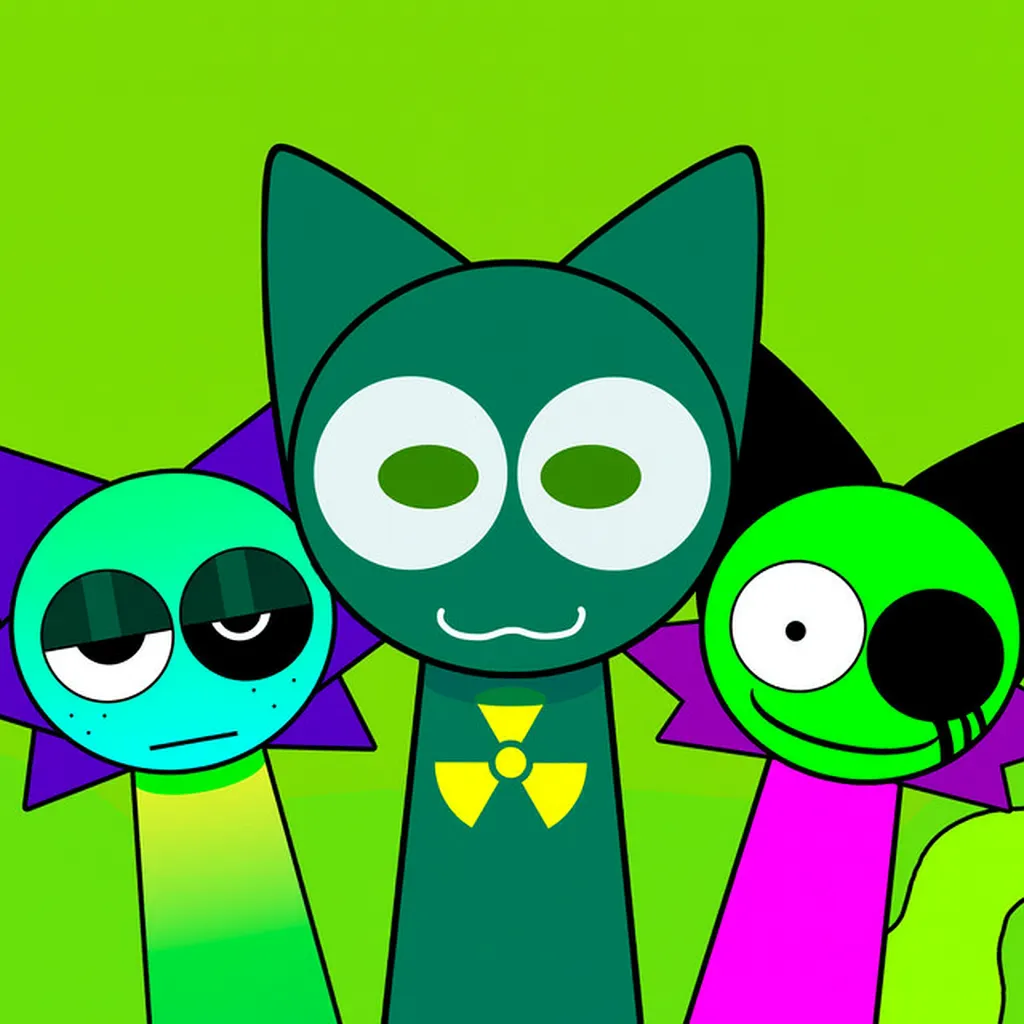
Instead of memorizing a long cast list, think in categories. Rhythmic parts keep time. Tonal parts carry harmony or a hook. Textural parts add sparkle, noise, or call-and-response. In Sprunki Mustard, the visuals help you remember who does what: color blocks, silhouettes, and small motion cues line up with the kind of sound you should expect.

When you are learning, pick one character from each category and loop the bar a few times. Once the foundation feels solid, trade a single character for an alternative and notice what changes. That swap-and-compare habit is the fastest way to discover combinations you would not hit by random clicking.

Controls that cover most browser builds

Most Sprunki-style pages are built for a mouse-first workflow. Click and drag from a character row into the stage to assign a part. Double-click a placed character in some versions to remove it quickly. If the build supports keyboard navigation, arrow keys may move the selection and Enter may confirm—check the in-game hints if they appear.

On touch devices, the same idea applies: long-press or drag from a tile into the active set. If anything feels unresponsive, reload once with a good network connection, since the audio engine is usually loaded with the page assets.

Who this version is for

If you like browser music toys, short creative breaks, or sharing weird loops with friends, Sprunki Mustard is an easy entry point. It is also friendly to curious newcomers: the learning curve is lower than a full DAW, but you still get a sense of arrangement, balance, and timing.

Teachers sometimes use these tools for rhythm awareness or as a light introduction to layering. The interface rewards exploration, so it works well in a “try it first, name the parts later” classroom or studio warm-up.

Fan projects vary by author and update cycle. If a feature you expect is missing, reload after a few days or check the community around Sprunki releases for patch notes. Above all, treat this page as a convenient place to play Sprunki Mustard online free and keep the focus on your own ear and timing.

FAQs about Sprunki Mustard

It is a browser-based music-mixing toy set in the Sprunki family. You combine animated characters to layer beats and melodic ideas, with a distinct mustard-inspired look and sound flavor.
The core loop is similar—stack characters, shape a groove—but the Mustard edition changes art direction, sounds, and small interactions so the session feels fresh even if you already know the base concept.
You can play in a normal modern web browser. Keep the tab active, allow audio if the browser asks, and prefer a stable connection on first load so samples arrive cleanly.
Many Sprunki experiences are community-made remixes and mods. Treat Sprunki Mustard as a creative fan build unless a publisher states otherwise, and support official channels when you find them.
Most Sprunki-style embeds are single-user experiences. If a multiplayer mode exists, the in-game menu will say so; otherwise, share a recording or a link to the page for async collaboration.
Reload the page, close other heavy tabs, and confirm the tab is not muted. On laptops, plug in power while testing, since some browsers throttle background audio work on battery mode.
The name nods to the color theme and the playful, tangy vibe the designer chose—think bright yellows and bold contrast rather than a real-world product tie-in.
Yes, for informal rhythm and layering lessons it works well, provided your school or organization allows the site. Pair playtime with a short discussion of pulse, downbeats, and when to remove a part for clarity.